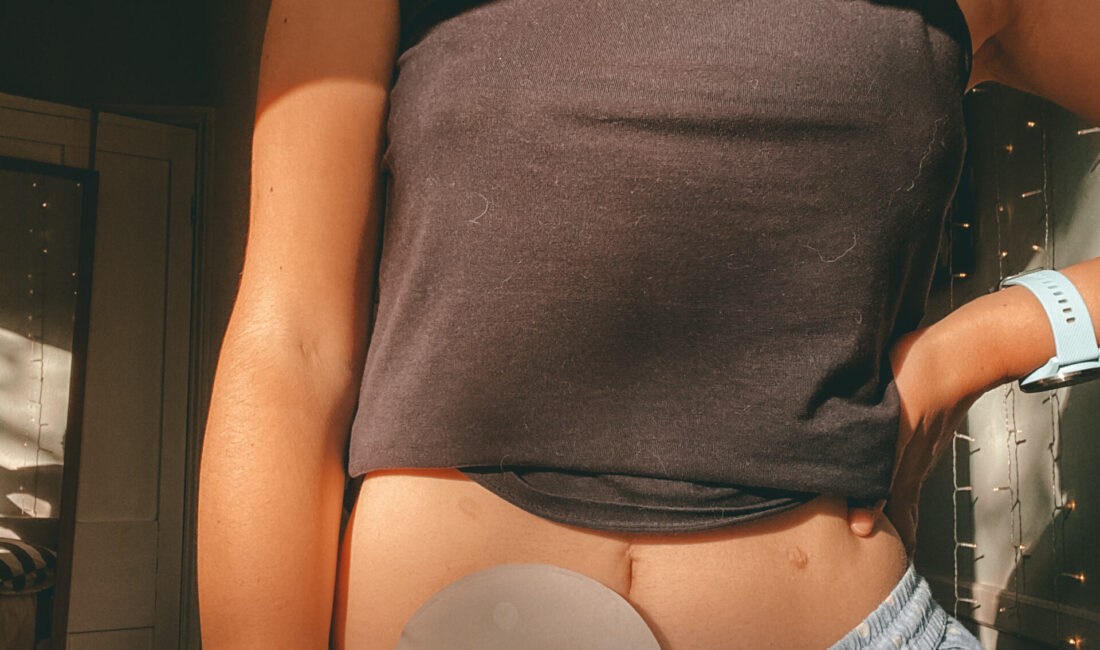
Inflammatory Bowel Disease is often referred to by the two main types, Crohn’s Disease and Ulcerative Colitis. IBD is an inflammatory, chronic disease where the bowel (and whole digestive track if you have Crohn’s) can become inflamed.
I was diagnosed with Ulcerative Colitis when I was 16 – which is a whole eight years ago which seems absolutely crazy! Time flies when you’re chronically ill I guess.
I wanted to create a post which answers some of the most commonly asked questions about IBD. So whether you’ve never heard of IBD, recently been diagnosed or have a friend with it, hopefully this post will be useful for you.
Most Commonly Asked Questions about Inflammatory Bowel Disease
Is IBD Curable?
IBD is NOT a curable illness. It is classed as a chronic condition which is life long. You will be treated for IBD your whole life and may go through periods of remission, however you can’t cure it.
What is the difference between IBS & IBD?
IBD and IBS are two completely different conditions, despite their similar acronyms.
Inflammatory Bowel Disease (IBD) is a disease which can cause destructive inflammation and permanent harm to the intestines. It can be seen through tests (both blood tests and colonoscopies) and can cause an increased risk of bowel cancer.
Irritable Bowel Syndrome (IBS) is a syndrome which doesn’t cause inflammation nor does it increase your risk of bowel cancer. IBS doesn’t show any sign of disease or abnormality during an exam of the colon.
What triggers Inflammatory Bowel Disease?
There are no definite triggers for IBD. There is a lot of research into what causes IBD, however there isn’t an answer right now (in 2020).
As for what triggers flare ups, again there is no one rule fits all here. For some people, certain foods can cause symptoms, for others it’s stress and sleep. It’s important to note that flare ups can just happen, without a trigger.
How long do IBD Flares last?
This is like asking how long is a piece of string!
Sometimes it can be days, other times weeks and months.
How serious is Inflammatory Bowel Disease?
IBD can be very serious. Both Crohn’s Disease and Ulcerative colitis cause destructive inflammation to the bowel, and if left untreated can kill you.
Sometimes flare ups can’t be controlled by medication (which happened to me) which resulted in emergency surgery to remove the bowel.
Through medication and surgery, IBD can be managed and not effect your life expectancy. For reference, my Grandad had Ulcerative Colitis and had his bowel removed and lived to 94!
This is why it is SO SO SO important to talk to your doctors if you notice any changes in your bowel habits.
What is the difference between Crohn’s Disease and Ulcerative Colitis?
Ulcerative Colitis and Crohn’s Disease are part of the IBD family.
Ulcerative colitis effects the large bowel only, and causes inflammation and ulcerates the bowel.
Crohn’s disease can effect any part of the digestive tract.
Can you work with IBD?
YES YOU CAN! However, it completely depends on your circumstances.
For me, I struggle working in full time ‘traditional’ employment, but I know plenty of others who can.
I spoke to 4 women living with chronic illnesses (including IBD) who work and it really showed that you can still do it, if you manage your health.
Is Crohn’s Disease a disability?
Crohn’s disease is a chronic illness which is classed as an invisible disability. Some people, who experience more severe symptoms, may find it easier to identify as disabled than people in remission, which is why there can be such a grey area with invisible disabilities.
What does an IBD Flare look like?
IBD flare ups can be different for everyone, but the main characteristics are blood when you poo, Diarrhea and/or constipation, nausea, stomach pain, loss of weight and fatigue.
Other symptoms which may occur can be hair loss, joint pain and stiffness. From the loss of blood, you may also be anaemic which is another reason why it is so important to go to your doctors.
How is IBD Treated?
There are many different treatments for IBD. These include steroids, immune-suppressants and anti-inflammatories.
Surgery is also used to treat IBD, including removing the bowel or sections. However, this is done once all medical routes have been exhausted usually.
How do you get diagnosed with Ulcerative colitis?
The first thing to do is go to your doctor. They will do blood tests and refer you to the hospital where you have a colonoscopy. Through a colonoscopy, you will get your IBD diagnosis.
I make that sound so simple, however, you may find you have to keep going back to the doctors and really demand for tests if you’re concerned but feel like no one is listening. It took me 6 months to get diagnosed, which felt like a lifetime at the time.
I wrote about my diagnosis, along with the main symptoms of IBD which you may find useful
If you have any questions about IBD, leave them in the comments below or send me a DM

Leave a Reply